Step-by-Step Land Clearing: What to Expect From Start to Finish
Evaluating Your Land Clearing Needs
Every great project starts with a clear understanding of the land. When it comes to land clearing, the first step is walking the property and seeing what you're working with. You might notice thick brush, large trees, uneven terrain, or hidden obstacles. This stage is all about asking simple questions: What needs to go? What should stay? And what's the final goal?
A professional assessment helps you avoid surprises later. During this step, experts take a close look at tree sizes and density, the condition of the soil, and how steep or uneven the terrain may be. They also evaluate access points for equipment and identify any potential hazards that could slow things down. Think of this as the blueprint stage. When done right, everything that follows becomes smoother, faster, and more cost-effective.
Planning and Permits Required for a Land Clearing Project
Once the property has been evaluated, it's time to create a plan. This is where your vision starts to take shape. Whether you're preparing for a new home, driveway, or open yard, planning ensures your land clearing project stays organized and efficient from start to finish.
Permits may also be required depending on your location. In many areas, local regulations protect certain trees or environmental features, which means approvals may be needed before work begins. A knowledgeable contractor will guide you through this process and handle the details so nothing gets missed. Skipping this step can lead to delays or fines, so taking the time to plan properly keeps everything moving forward without stress.
Preparing the Property Before Land Clearing Begins
Before machines arrive, the property needs to be prepped. This step may seem small, but it plays a big role in how smoothly your land clearing project goes. Clearing access paths, marking boundaries, and identifying important features ensures that nothing valuable gets damaged during the process.
Preparation often includes clearly marking which trees should be removed and which ones should stay. It also involves flagging underground utilities and setting up safe entry points for equipment to move in and out without causing unnecessary damage. A well-prepared site saves time and prevents costly mistakes. It's like setting the stage before the main event begins.
Equipment Mobilization for Efficient Land Clearing
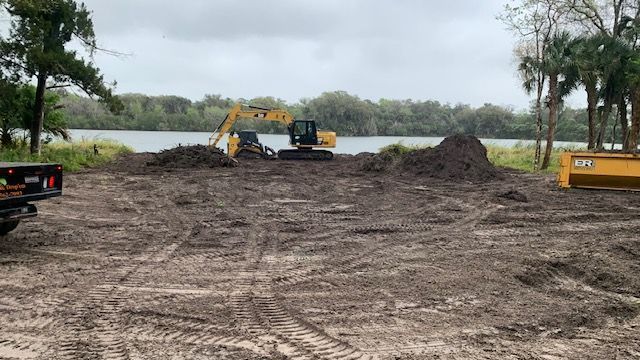
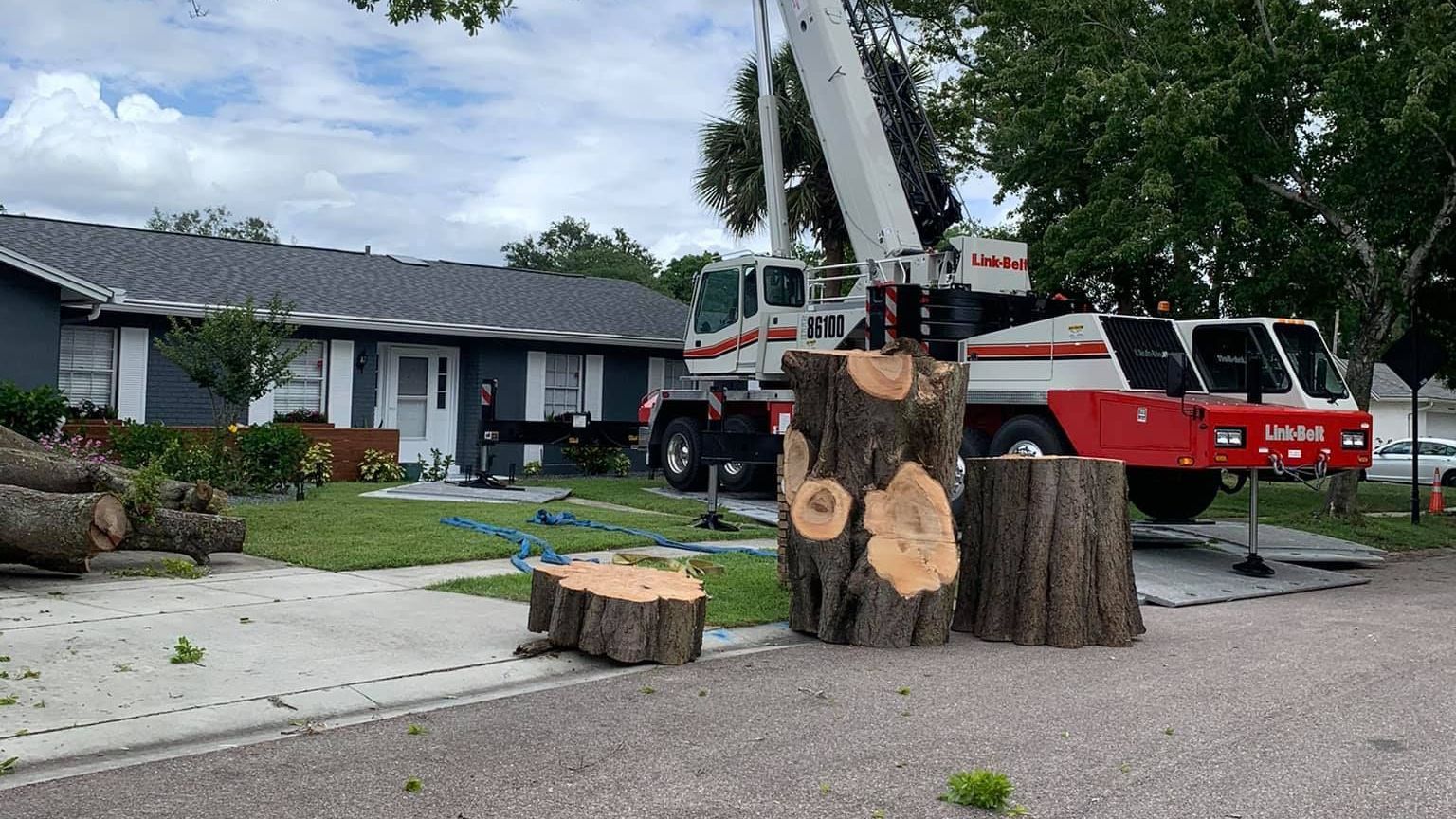
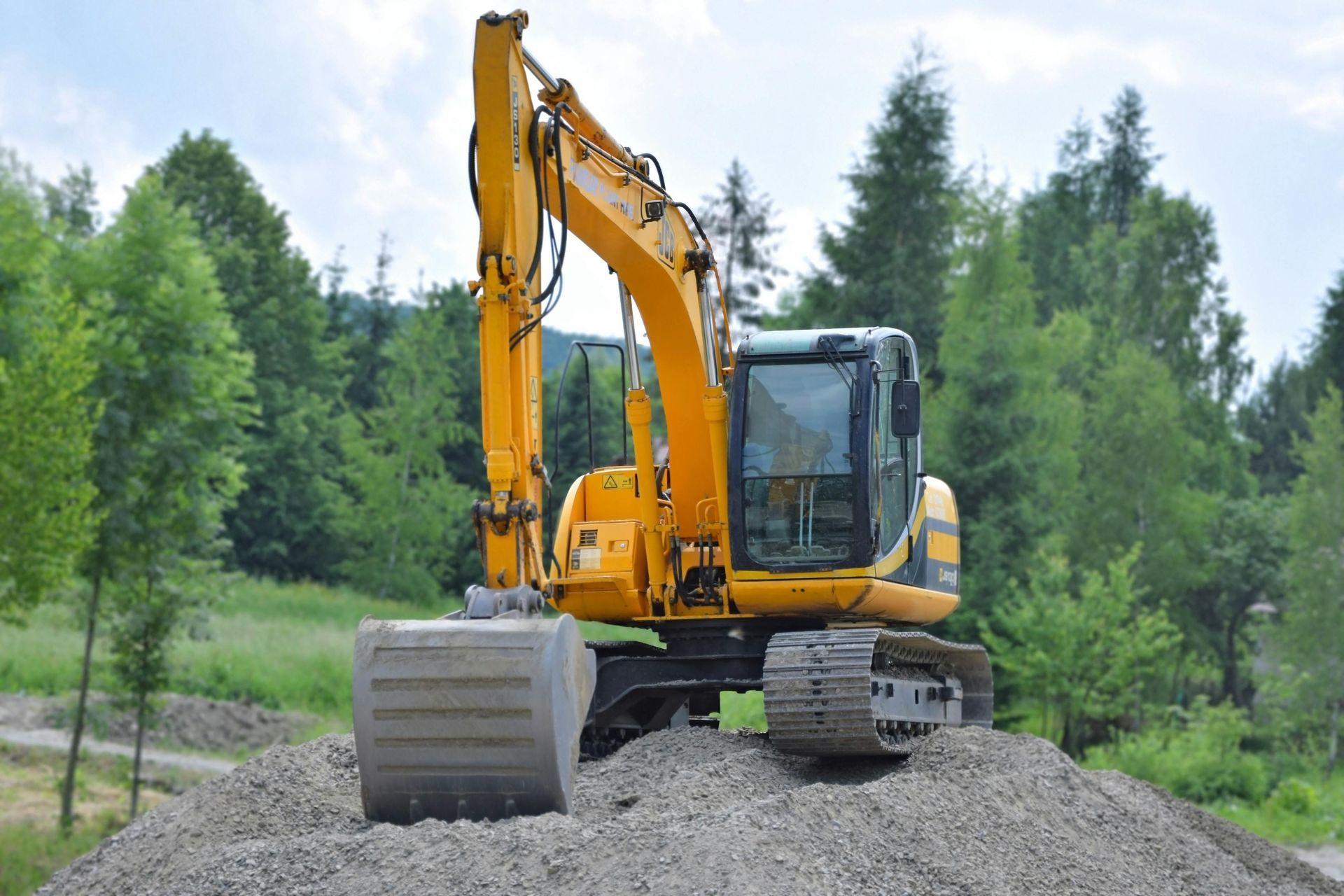
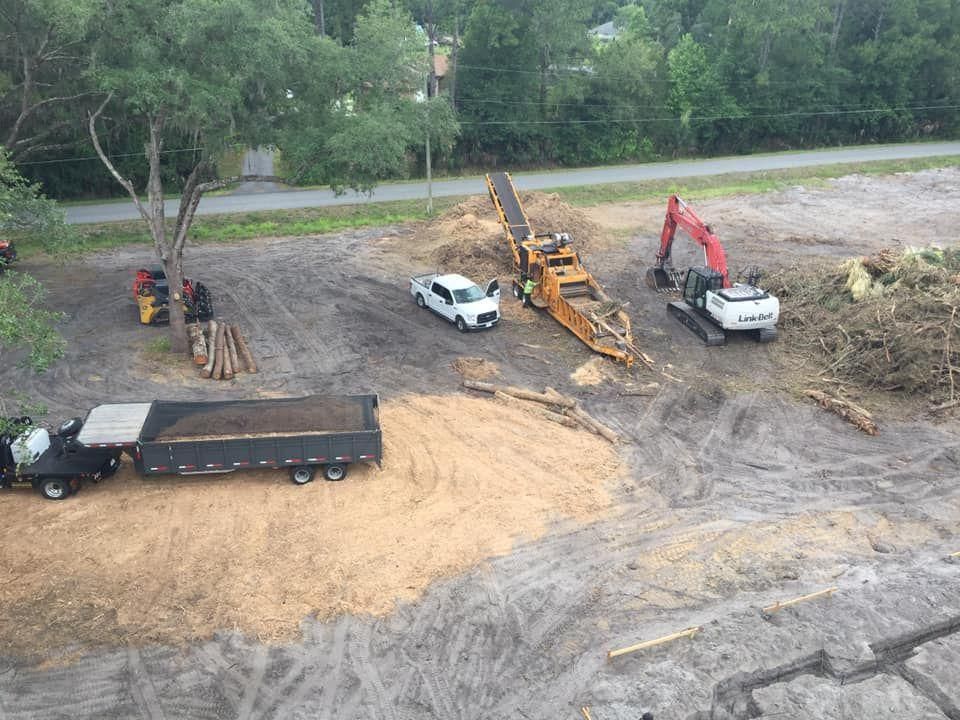
Now things start to get exciting. Heavy equipment arrives, and the transformation begins. Different tools are used depending on the size and complexity of the land clearing project. From excavators to mulchers, each machine has a specific role in getting the job done right.
You may see bulldozers pushing large piles of debris, excavators carefully removing big trees, and forestry mulchers grinding down thick vegetation into manageable material. Each piece of equipment is chosen with the purpose to maximize efficiency and safety. The right equipment makes all the difference. It speeds up the process and ensures the work is done properly from the very beginning.
Tree Removal and Vegetation Clearing Process
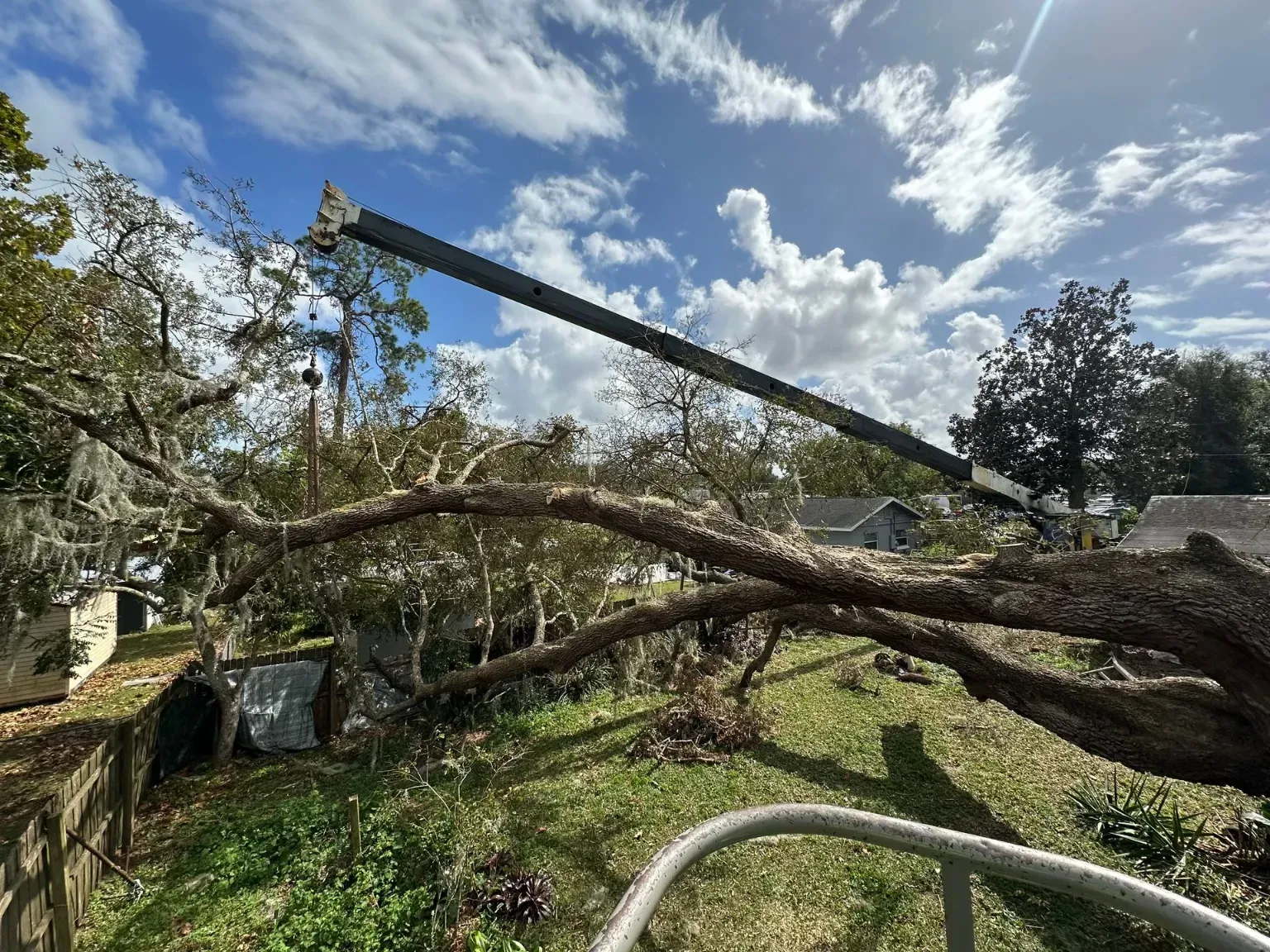
This is where the biggest visual change happens. Trees, brush, and overgrowth are carefully removed to open up your space. During land clearing, professionals work strategically, removing unwanted trees and other vegetation while protecting areas that should remain untouched.
The process is not just about cutting things down. It requires control, planning, and precision. Each tree is handled safely to prevent damage to nearby structures or valuable parts of the land. By the end of this step, your property begins to look completely different, more open, more usable, and full of potential.
Stump Removal and Root Extraction in Land Clearing
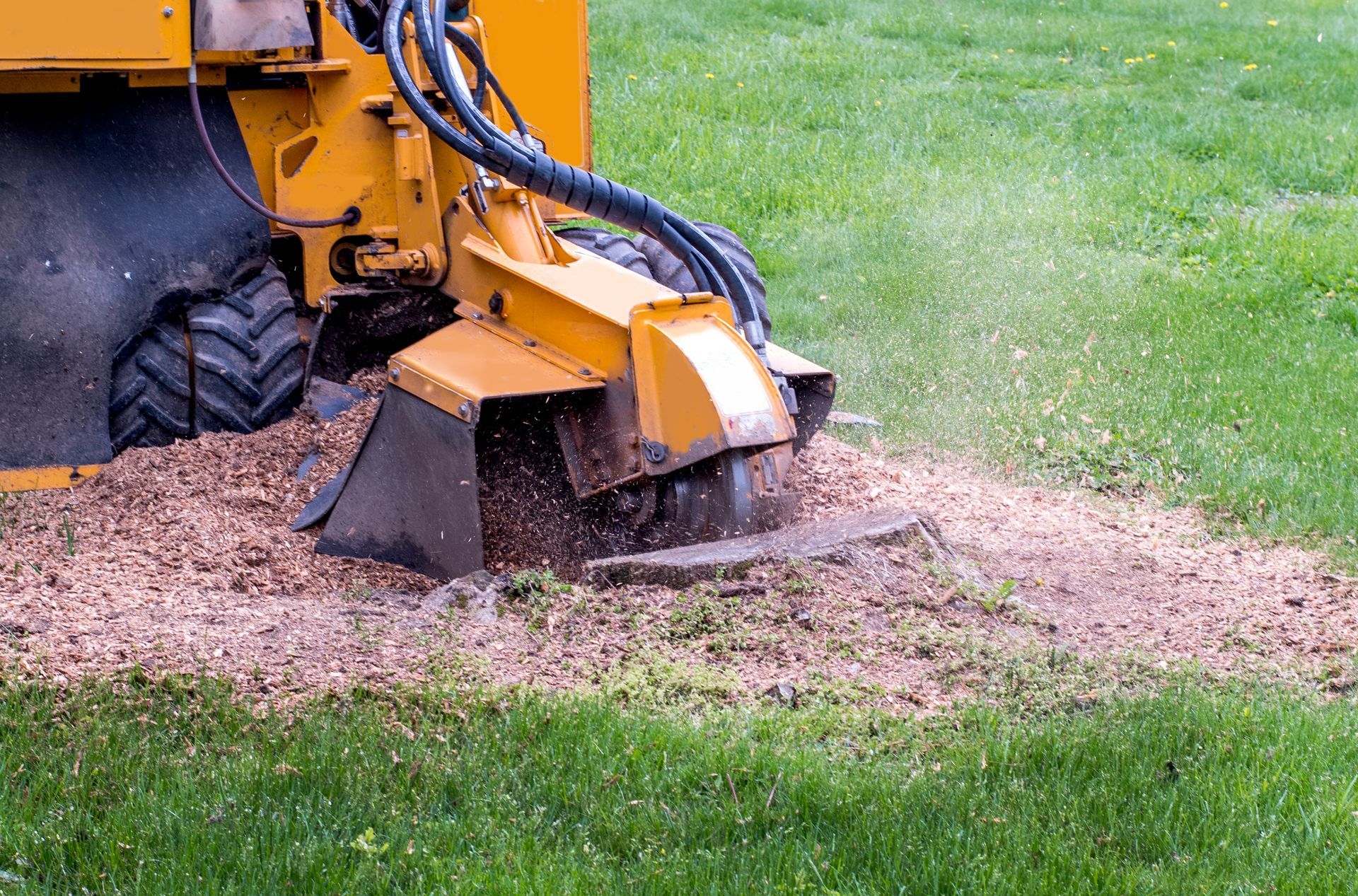
After trees are removed, stumps and roots still remain below the surface. If left behind, they can cause problems later, especially if you plan to build or landscape. That's why stump removal is a key part of any land clearing project.
Specialized equipment is used to grind stumps down or fully extract them from the ground. This helps prevent regrowth, improves the condition of the soil, and creates a smoother surface for future use. Removing what's beneath the surface is just as important as clearing what you can see. It ensures your land is truly ready for what comes next.
Debris Collection and Disposal After Land Clearing
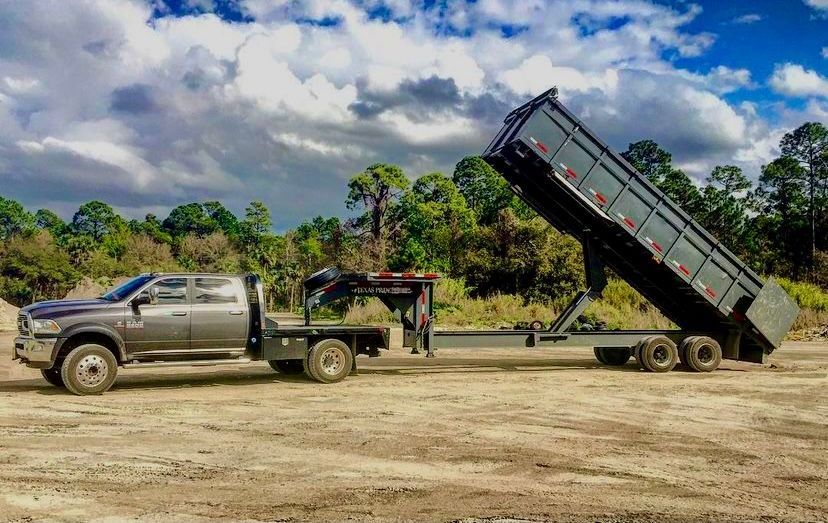
Once the clearing is done, you're left with piles of debris. This includes branches, logs, and organic material. A professional land clearing service will take care of this efficiently, so you don't have to worry about cleanup or disposal.
Debris is typically handled by hauling it off-site, chipping wood into mulch, or recycling usable materials whenever possible. This keeps the project environmentally responsible while also leaving your property clean and organized. A clean site is a productive site. Proper debris removal ensures your land is ready for the next phase without delays.
Grading and Leveling the Land Clearing Site
ith the land cleared, the next step is shaping it. Grading and leveling help create a stable foundation for whatever comes next. Whether it's construction or landscaping, this part of the land clearing process ensures everything sits on solid ground.
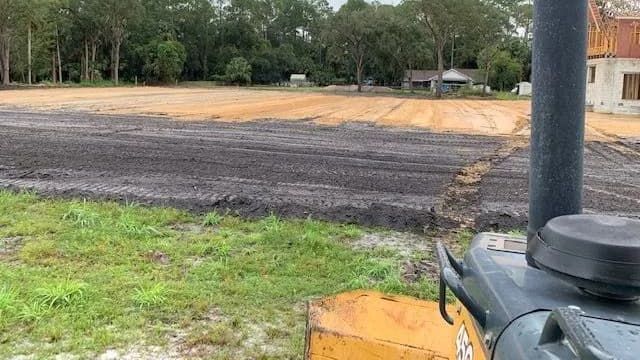
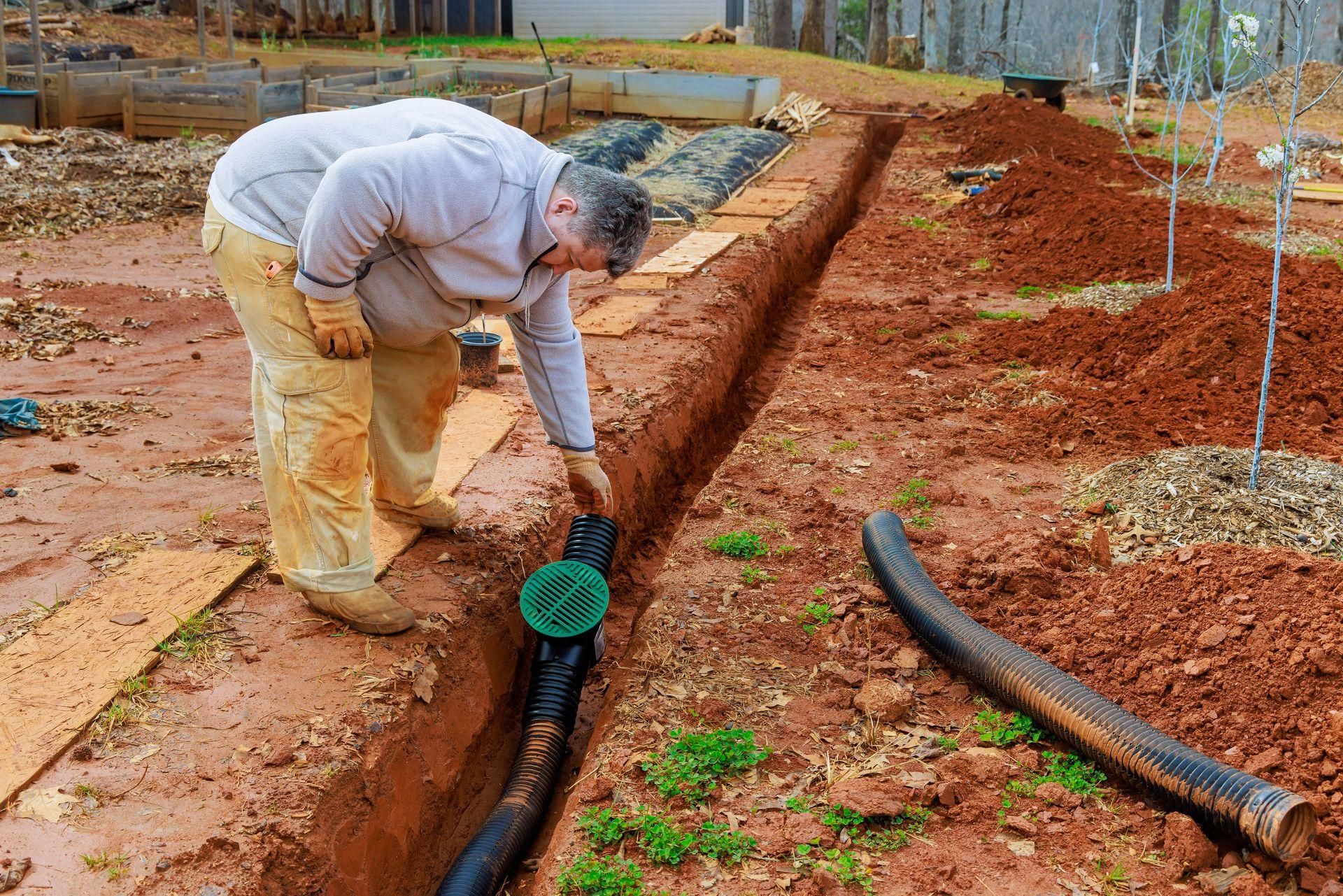
This step improves how water drains across the property, strengthens soil stability, and enhances the overall appearance of the land. Uneven areas are smoothed out, and slopes are adjusted to prevent future issues. Think of grading as turning rough land into a clean canvas. It prepares your property for long-term success.
Final Ground Smoothing and Soil Preparation
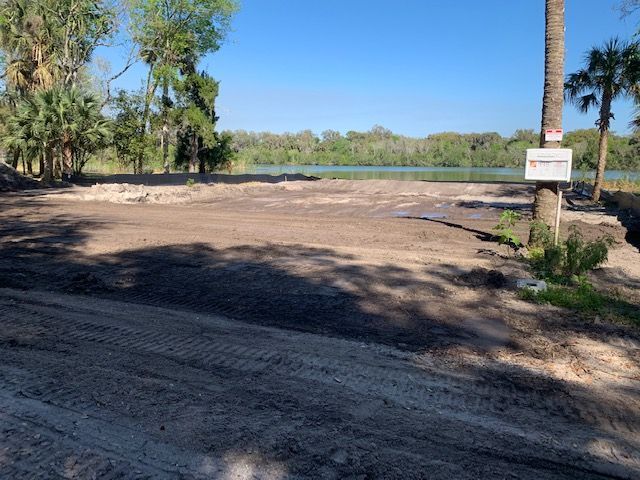
Now comes the finishing touch. The ground is smoothed out, and the soil is prepared for its next purpose. Whether you're planting grass, building a home, or installing a driveway, this step makes sure everything is ready.
Final preparation includes removing any remaining rocks or roots, compacting the soil for stability, and sometimes adding fresh topsoil to improve quality. These finishing details make a big difference in how your property looks and performs over time. This is where your property truly starts to shine. It's no longer just cleared, it's ready.
Post-Land Clearing Inspection and Project Timeline Recap
After everything is complete, a final inspection ensures the land clearing project meets expectations. This is your chance to walk the property and see the transformation firsthand. What once was overgrown and unusable is now clean, open, and full of possibilities.
Most projects follow a simple timeline that begins with assessment and planning, moves into clearing and removal, and finishes with grading and smoothing. If you're ready to transform your property,
reach out to Top'em & Drop'em Solutions in Sanford, FL and
call at 407-562-7093.
We make the entire process simple, smooth, and stress-free from start to finish.