Why Old Tree Roots Can Disrupt Future Landscaping Projects
How Old Tree Roots Affect Landscaping Plans Below the Surface
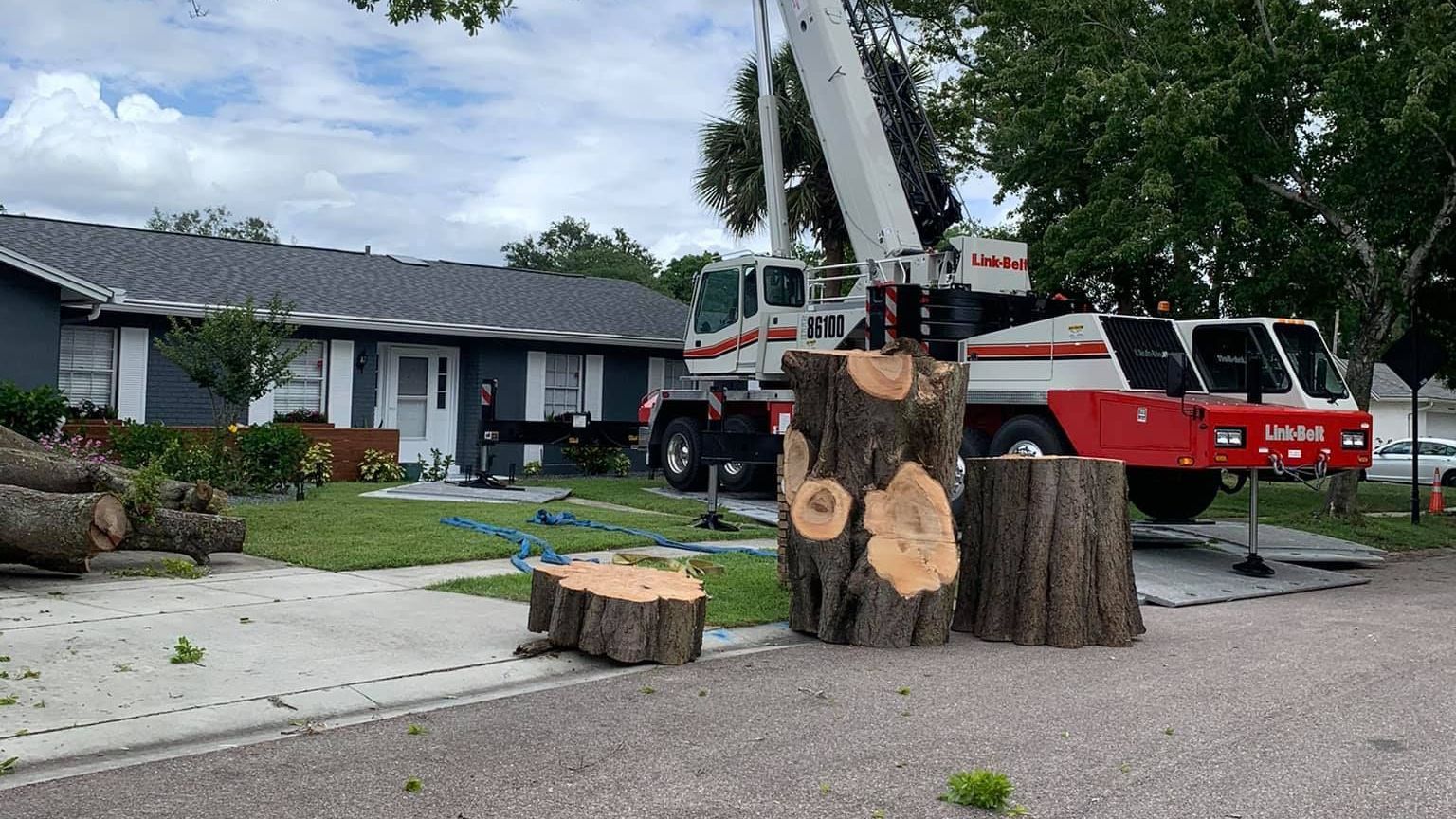
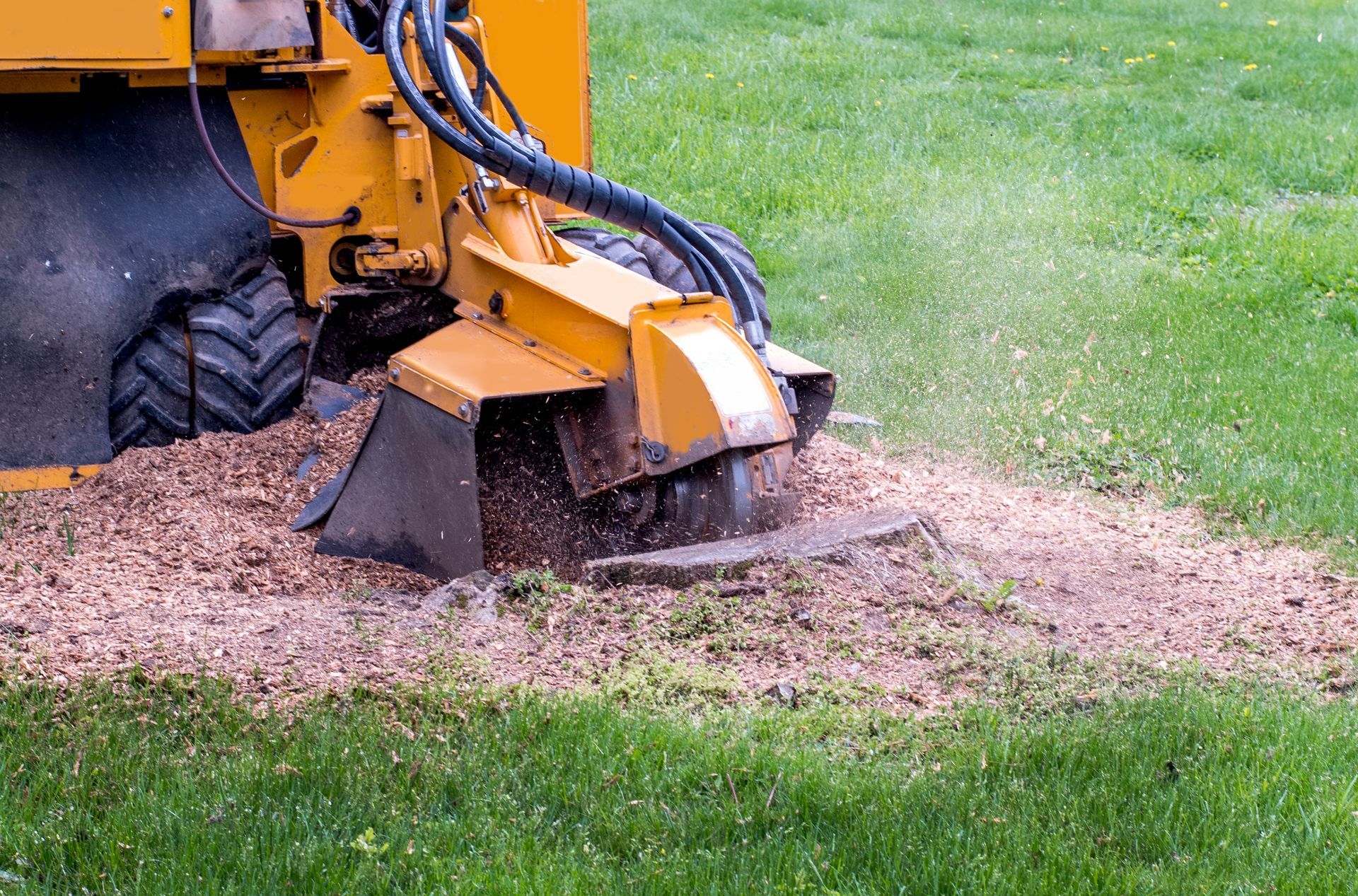
When a tree is removed, its roots often remain underground, spreading wide and deep beneath the surface. These hidden roots continue shaping soil long after the tree is gone, creating obstacles homeowners cannot see. Even when a yard looks smooth and ready, buried roots can quietly disrupt drainage, leveling, and future landscaping plans, turning simple projects into unexpected challenges.
Old roots steal space meant for healthy soil, block water movement, and prevent smooth grading. Great landscaping starts below ground, and understanding what lies beneath helps homeowners plan smarter, avoid repairs, and build outdoor spaces that stay stable, functional, and enjoyable.
Why Buried Tree Roots Can Ruin New Sod and Lawn Landscaping
Sod needs flat, even soil to grow strong and take root properly. When old tree roots remain underneath, the ground can shift as those roots slowly decay. This movement creates uneven patches, weak grass growth, and areas that dry out faster than others, even with regular watering and care.
Homeowners may notice bumpy or sunken spots forming, grass that never seems to root evenly, or water pooling in unexpected places. Clearing old roots before laying sod creates a stable base, helping your lawn grow thick, healthy, and smooth while avoiding future repairs and frustration.
Hidden Root Systems and Their Impact on Planting and Garden Landscaping
New plants need space to spread their roots and reach water deep in the soil. Old tree roots compete for that space and steal moisture, making it harder for flowers, shrubs, and young trees to thrive. Even with regular watering and care, plants may grow slowly, look stressed, or fail to establish strong root systems.
In garden landscaping, buried roots can also redirect water away from where plants need it most. Removing those roots loosens the soil, improves drainage, and creates a healthier environment where new plants can settle in, spread naturally, and grow strong over time without constant struggle.
How Tree Roots Interfere with Proper Soil Grading in Landscaping Projects
Soil grading plays an important role in guiding water away from your home and protecting your property. When old tree roots remain underground, they hold soil unevenly and make it difficult to shape the ground correctly. Even small roots can disrupt grading plans, leading to drainage problems that often go unnoticed at first and slowly worsen.
Over time, poor grading caused by buried roots can result in muddy areas, low spots, and standing water after rain. Removing roots allows soil to be leveled evenly, helping water flow properly and creating a safer, more stable landscaping foundation that supports long-term drainage, surface strength, and overall yard health.
The Risk Old Roots Pose to Irrigation Lines and Landscaping Drainage
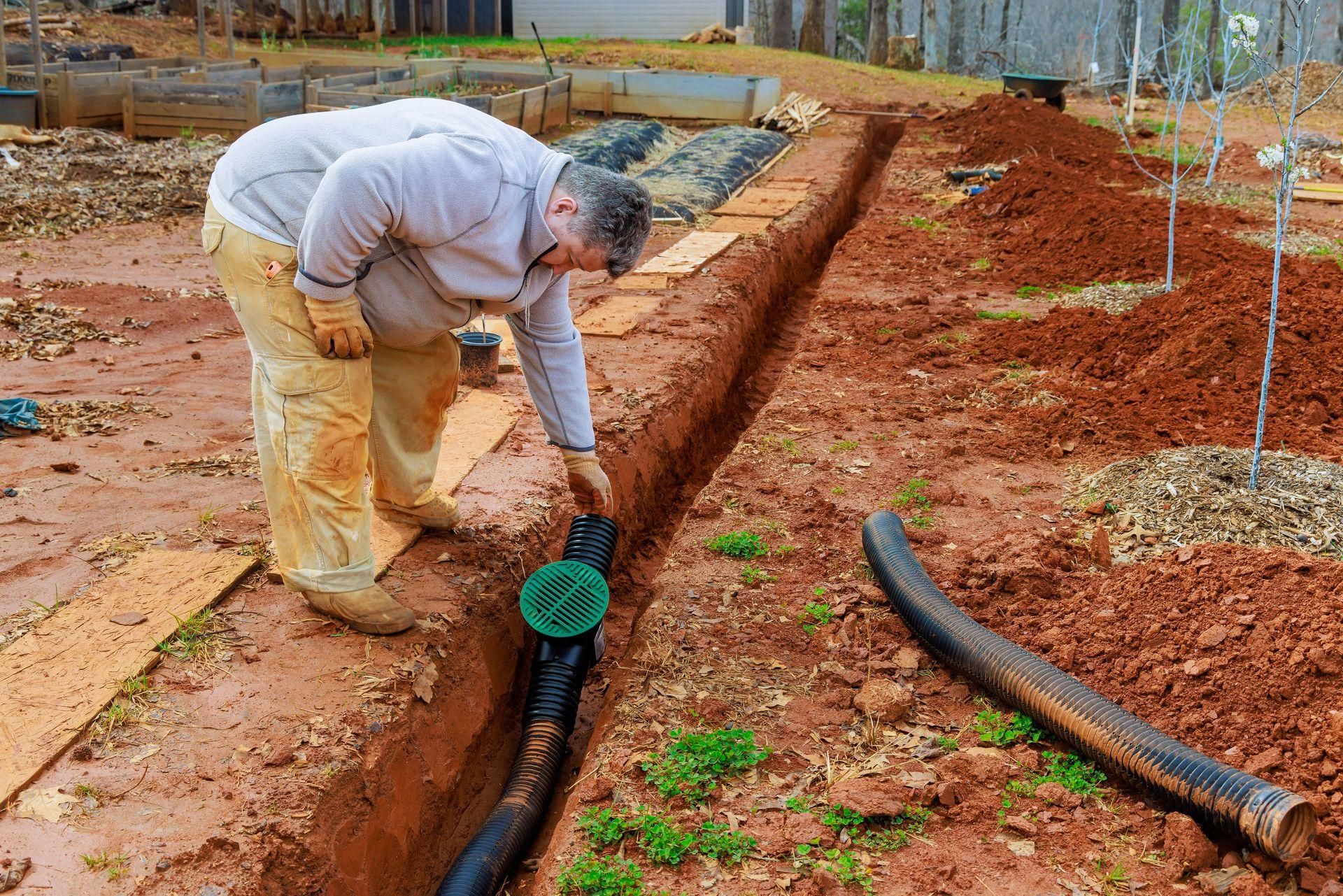
Irrigation systems rely on clear, open paths underground to work properly. Old tree roots can wrap around pipes, push against lines, or even cause cracks that disrupt water flow. This often leads to leaks, wasted water, and uneven watering that leaves some areas soaked while others dry out.
Drainage systems face similar problems when roots clog pathways meant to move water away. Clearing old roots before installation allows irrigation and drainage systems to function correctly, protecting your landscaping and helping water reach the right places without ongoing issues.
Why Tree Roots Make Landscaping Excavation and Digging More Difficult
Digging through soil packed with old tree roots slows landscaping projects down fast. Shovels hit constant resistance, equipment has to work harder, and timelines stretch longer than planned. What should be simple digging turns into frustrating work that drains time, energy, and budgets.
Removing roots early makes excavation faster, safer, and far more efficient. Clean soil allows projects to move forward smoothly, reduces strain on tools and equipment, and keeps work crews productive. Proper preparation also helps prevent delays, unexpected costs, and unnecessary wear during the entire landscaping process.
How Remaining Roots Can Shift Hardscaping and Landscaping Features
Patios, walkways, and borders rely on stable, well-prepared ground to stay level and safe. When old tree roots remain underground, they can shift or decay beneath these features, slowly pushing upward and causing movement homeowners may not notice at first. This hidden activity can quietly weaken the surface over time.
As roots continue to break down, cracked pavers, uneven paths, and trip hazards may appear. Removing roots creates a solid, dependable base that keeps hardscaping stable and visually appealing. A strong foundation also reduces future repairs and helps outdoor spaces hold their shape through weather changes and daily use.
When Tree Root Removal Is Necessary Before Starting Landscaping
If your yard once had large trees, root removal is often the missing step before starting any landscaping project. Old roots can interfere with sod installation, planting, irrigation systems, and hardscaping if they're left behind. Taking care of roots early helps prevent uneven ground, drainage problems, and costly fixes later, setting the stage for a smoother and more successful outdoor transformation.
If you want your landscaping done right the first time,
reach out to Top'em & Drop'em Solutions. Based in Sanford, FL, we specialize in clearing old roots and preparing strong foundations for lasting landscapes. Call us at
407-562-7093 today to start building a healthier, more reliable outdoor space.